Tropical
Open climate guide →JanWaitFebWaitMarWaitAprWaitMayWaitJunWaitJulWaitAugWaitSepWaitOctWaitNovWaitDecWait
Rhubarb is not usually recommended for this broad climate without a protected position or specialist variety.
Grow to Eat
A practical climate-by-climate planting calendar plus detailed starting, care, problem and safety guidance.
Australian planting calendar
Highlighted months are the usual planting window. A local nursery, seed packet and current weather forecast should take priority over a broad climate calendar.
Rhubarb is not usually recommended for this broad climate without a protected position or specialist variety.
Aim for June, July, August.
Aim for June, July, August, September.
Aim for June, July, August, September.
Aim for June, July, August.
Aim for June, July, August.
Aim for June, July, August.
Start well
Plant crowns. Prepare the final position first, retain the existing root-ball level and water thoroughly after planting.
Feeding
Use compost before planting and a light nitrogen-rich feed during active leafy growth.
Water
Keep evenly moist; leafy growth becomes tough when plants dry out.
Maintenance
Harvest outer leaves and keep moisture consistent to maintain tender growth.
Harvest or display
Light harvest after one year. Readiness varies with variety and weather; use colour, firmness, size and the supplier's maturity notes rather than the calendar alone.
Problems and companions
Watch for aphids, caterpillars, snails and leaf disease, especially in crowded growth.
Pair with small flowering herbs where light and spacing allow; rotate leafy crops between beds.
People and pets
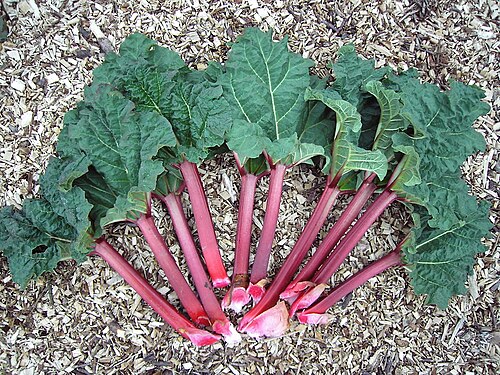
The stalks of culinary rhubarb are used as food, but the leaves are toxic and must not be eaten or fed to pets.
Moving plants
Check local weed, invasive-plant and interstate quarantine rules before sharing or moving unfamiliar plant material.
Transparent guidance
Patch gives a broad Australian starting point, not a guarantee for every variety or garden. Read the Patch methodology and sources, check the latest Bureau of Meteorology climate information, and confirm interstate restrictions through Australian Interstate Quarantine.
Last reviewed 3 September 2026