Tropical
Open climate guide →JanWaitFebWaitMarWaitAprWaitMayPlantJunPlantJulWaitAugWaitSepWaitOctWaitNovWaitDecWait
Aim for May, June.
Grow to Eat
A practical climate-by-climate planting calendar plus detailed starting, care, problem and safety guidance.
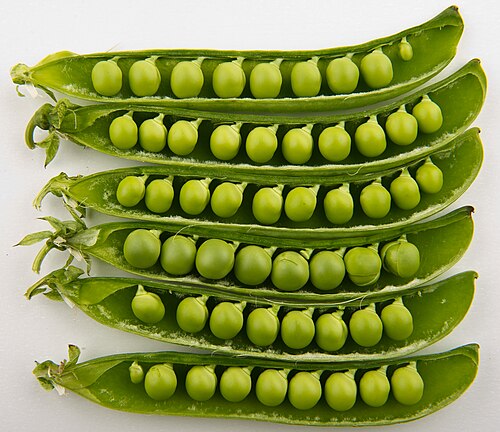
Australian planting calendar
Highlighted months are the usual planting window. A local nursery, seed packet and current weather forecast should take priority over a broad climate calendar.
Aim for May, June.
Aim for March, April, May, June, July.
Aim for February, March, April, May, June, July, August.
Aim for February, March, April, May, June, July, August, September.
Aim for March, April, May, June, July, August.
Aim for March, April, May, June, July, August.
Aim for March, April, May, June, July.
Start well
Sow direct. Sow about 25–40 mm, using clean seed-raising mix for trays and keeping the surface evenly moist until established.
Feeding
Apply compost before planting, then use a balanced feed as flowering begins.
Water
Water deeply and consistently through flowering and fruit development.
Maintenance
Provide support before tendrils or stems sprawl, and pick pods regularly to extend production.
Harvest or display
10–14 weeks. Readiness varies with variety and weather; use colour, firmness, size and the supplier's maturity notes rather than the calendar alone.
Problems and companions
Aphids, powdery mildew and root rot can appear in crowded or wet conditions. Protect seedlings from snails and slugs.
Carrots, lettuce, brassicas and many flowering herbs are useful neighbours. Avoid crowding with onions or garlic.
People and pets
No Patch-specific toxicity warning is recorded. That does not prove the plant is safe—check the exact species with a veterinarian or poisons service if children or pets may eat it.
Moving plants
Fruit, plants and soil can be restricted between Australian states and pest-control zones. Check current interstate quarantine rules before moving them.
Transparent guidance
Patch gives a broad Australian starting point, not a guarantee for every variety or garden. Read the Patch methodology and sources, check the latest Bureau of Meteorology climate information, and confirm interstate restrictions through Australian Interstate Quarantine.
Last reviewed 3 September 2026