Tropical
Open climate guide →JanWaitFebWaitMarWaitAprWaitMayPlantJunPlantJulWaitAugWaitSepWaitOctWaitNovWaitDecWait
Aim for May, June.
Grow to Eat
A practical climate-by-climate planting calendar plus detailed starting, care, problem and safety guidance.
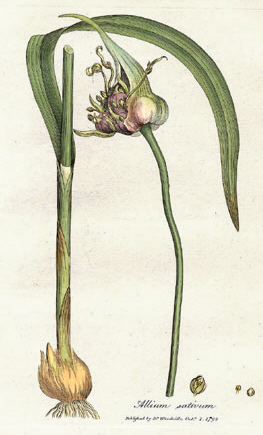
Australian planting calendar
Highlighted months are the usual planting window. A local nursery, seed packet and current weather forecast should take priority over a broad climate calendar.
Aim for May, June.
Aim for March, April, May, June.
Aim for March, April, May, June.
Aim for February, March, April, May.
Aim for March, April, May, June.
Aim for March, April, May, June.
Aim for March, April, May, June.
Start well
Plant cloves. Prepare the final position first, retain the existing root-ball level and water thoroughly after planting.
Feeding
Use mature compost and avoid excessive nitrogen, which can favour leaves over roots.
Water
Water consistently while roots swell, without leaving the bed waterlogged.
Maintenance
Plant individual cloves point-up, keep beds weed-free and reduce watering as lower leaves begin to yellow.
Harvest or display
24–32 weeks. Readiness varies with variety and weather; use colour, firmness, size and the supplier's maturity notes rather than the calendar alone.
Problems and companions
Look for thrips, onion maggot and basal rot. Free drainage and rotation are more useful than heavy feeding late in the season.
Often grown beside carrots, beetroot, lettuce and brassicas. Keep away from peas and beans where close spacing would restrict their growth.
People and pets
Garlic can poison cats and dogs if eaten in sufficient quantity. Keep cloves and plant material inaccessible.
Moving plants
Check local weed, invasive-plant and interstate quarantine rules before sharing or moving unfamiliar plant material.
Transparent guidance
Patch gives a broad Australian starting point, not a guarantee for every variety or garden. Read the Patch methodology and sources, check the latest Bureau of Meteorology climate information, and confirm interstate restrictions through Australian Interstate Quarantine.
Last reviewed 3 September 2026