Tropical
Open climate guide →JanPlantFebPlantMarPlantAprPlantMayPlantJunPlantJulPlantAugPlantSepPlantOctPlantNovPlantDecPlant
Aim for January, February, March, April, May, June, July, August, September, October, November, December.
Grow to Eat
A practical climate-by-climate planting calendar plus detailed starting, care, problem and safety guidance.
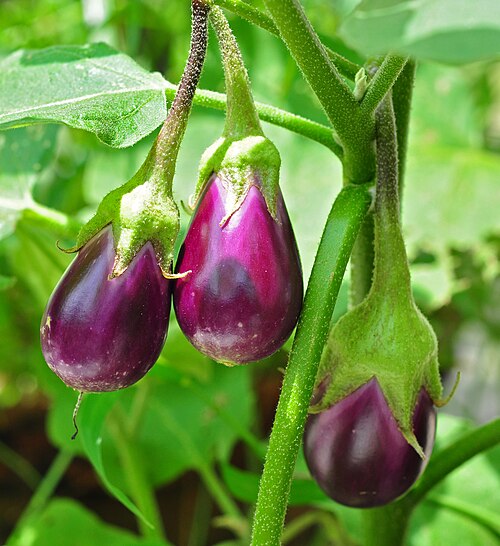
Australian planting calendar
Highlighted months are the usual planting window. A local nursery, seed packet and current weather forecast should take priority over a broad climate calendar.
Aim for January, February, March, April, May, June, July, August, September, October, November, December.
Aim for August, September, October, November, December, January, February, March.
Aim for August, September, October, November.
Aim for September, October, November.
Aim for August, September, October, November.
Aim for August, September, October, November.
Aim for August, September, October, November.
Start well
Start in trays. Sow about 5 mm in trays, using clean seed-raising mix for trays and keeping the surface evenly moist until established.
Feeding
Apply compost before planting, then use a balanced feed as flowering begins.
Water
Water deeply and consistently through flowering and fruit development.
Maintenance
Support tall or fruit-heavy growth and maintain even watering as flowers and fruit develop.
Harvest or display
16–22 weeks. Readiness varies with variety and weather; use colour, firmness, size and the supplier's maturity notes rather than the calendar alone.
Problems and companions
Watch for aphids, mites, caterpillars and fungal leaf spots. Avoid wetting foliage late in the day and rotate away from other nightshade crops.
Basil, parsley, marigold and alyssum can share the bed where spacing allows. Avoid following tomato, potato, capsicum or eggplant in the same soil.
People and pets
No Patch-specific toxicity warning is recorded. That does not prove the plant is safe—check the exact species with a veterinarian or poisons service if children or pets may eat it.
Moving plants
Fruit, plants and soil can be restricted between Australian states and pest-control zones. Check current interstate quarantine rules before moving them.
Transparent guidance
Patch gives a broad Australian starting point, not a guarantee for every variety or garden. Read the Patch methodology and sources, check the latest Bureau of Meteorology climate information, and confirm interstate restrictions through Australian Interstate Quarantine.
Last reviewed 3 September 2026