Tropical
Open climate guide →JanWaitFebWaitMarWaitAprWaitMayPlantJunPlantJulWaitAugWaitSepWaitOctWaitNovWaitDecWait
Aim for May, June.
Grow for Beauty
A practical climate-by-climate planting calendar plus detailed starting, care, problem and safety guidance.
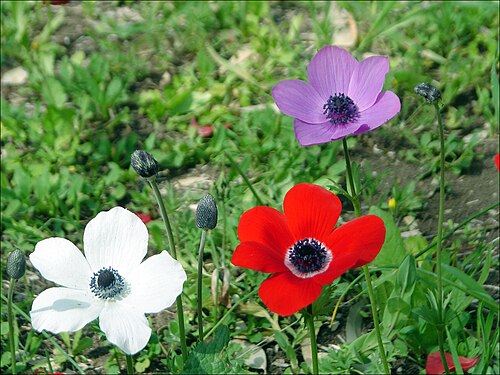
Australian planting calendar
Highlighted months are the usual planting window. A local nursery, seed packet and current weather forecast should take priority over a broad climate calendar.
Aim for May, June.
Aim for March, April, May, June.
Aim for March, April, May, June.
Aim for March, April, May, June.
Aim for March, April, May, June.
Aim for March, April, May, June.
Aim for March, April, May, June.
Start well
Plant corms. Position the growing point correctly and use the packet or label for species-specific depth.
Feeding
Use compost before planting and a flower-forming feed only when the species benefits from it.
Water
Keep moist while establishing, then water deeply when the surface dries.
Maintenance
Let foliage yellow naturally after flowering so the bulb can store energy for its next season.
Harvest or display
Flowers in spring. Readiness varies with variety and weather; use colour, firmness, size and the supplier's maturity notes rather than the calendar alone.
Problems and companions
Bulb rot, snails, slugs and fungal spotting are the main risks. Discard soft bulbs and avoid persistently wet soil.
Combine with shallow-rooted annuals or groundcovers that will not hide emerging shoots or keep dormant bulbs wet.
People and pets
Plant material can irritate skin and is toxic if eaten. Keep bulbs and cuttings away from pets.
Moving plants
Check local weed, invasive-plant and interstate quarantine rules before sharing or moving unfamiliar plant material.
Transparent guidance
Patch gives a broad Australian starting point, not a guarantee for every variety or garden. Read the Patch methodology and sources, check the latest Bureau of Meteorology climate information, and confirm interstate restrictions through Australian Interstate Quarantine.
Last reviewed 3 September 2026